CC0 · Direct download642×900 · 311 KB
Specifications
- Type
- Illustration
- Format
- jpg
- Size
- 311 KB
- Published
- Nov 10, 2026
- Updated
- Nov 10, 2026
- AI
- Human-made
- Tags
CC0IllustrationCommercial use allowed
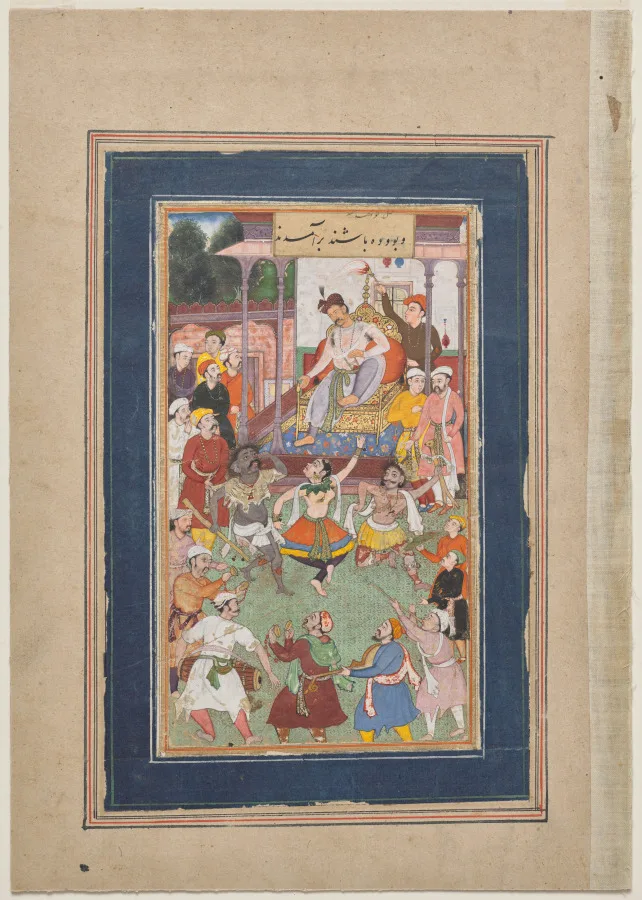
Grotesque Dancers Performing
gum tempera, ink, and gold on paper · c. 1600 · Mughal India · Indian and Southeast Asian Art
LicenseRead the full license →
Commercial use
✓ Allowed
Attribution
Not required
Modification
✓ Allowed
Share-alike
Not required
The creator waived all copyright. Commercial use, modification and redistribution are allowed with no attribution required.
Credit"Grotesque Dancers Performing" by Unknown creator, dedicated to the public domain under CC0 1.0 (https://creativecommons.org/publicdomain/zero/1.0/).
Official license text ↗License snapshot
This file is released under CC0. The license text and credit requirements are below.
Related assets
View all →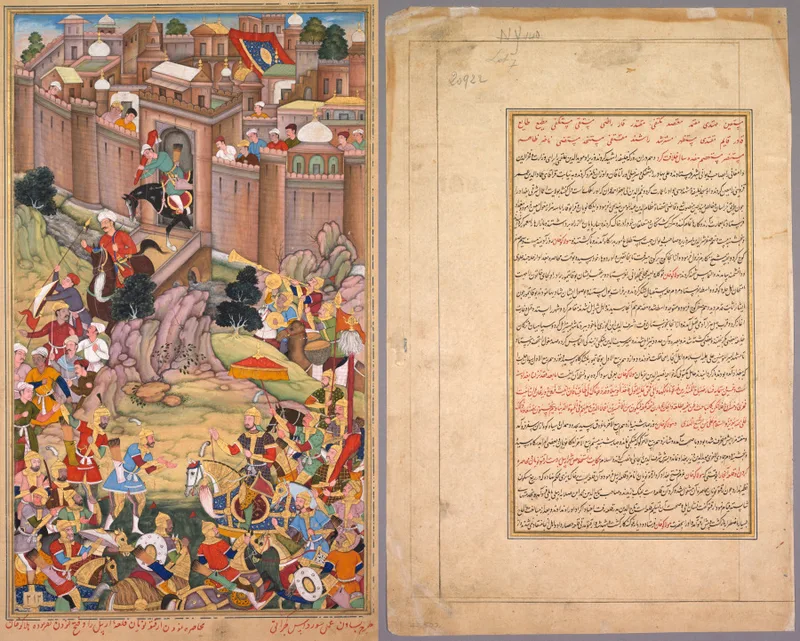
The siege of Arbela in the era of Hulagu Khan, from a Chingiz-nama (Book of Chingiz Khan) of the Jami al-tavarikh (Compendium of Chronicles) of Rashid al-Din (Persian, 1247–1318)
IllustrationjpgCC0
Commercial OKView →
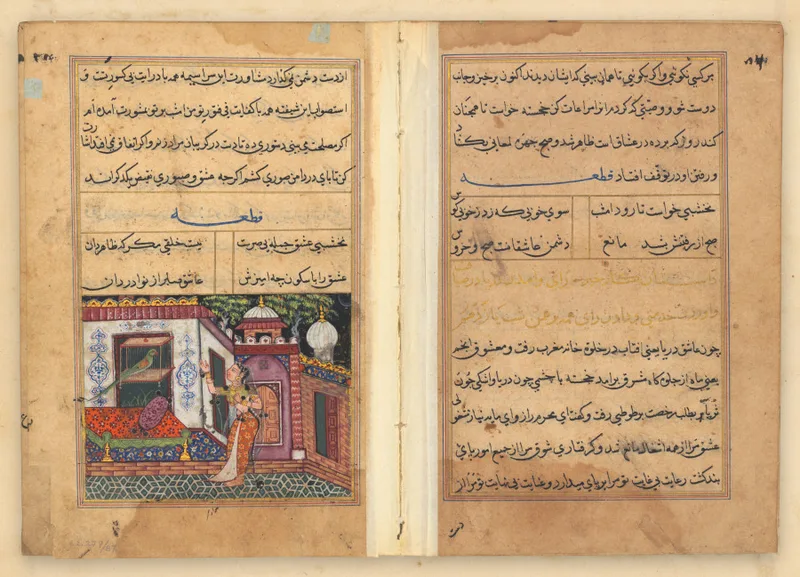
Tuti-Nama (Tales of a Parrot)
IllustrationjpgCC0
Commercial OKView →
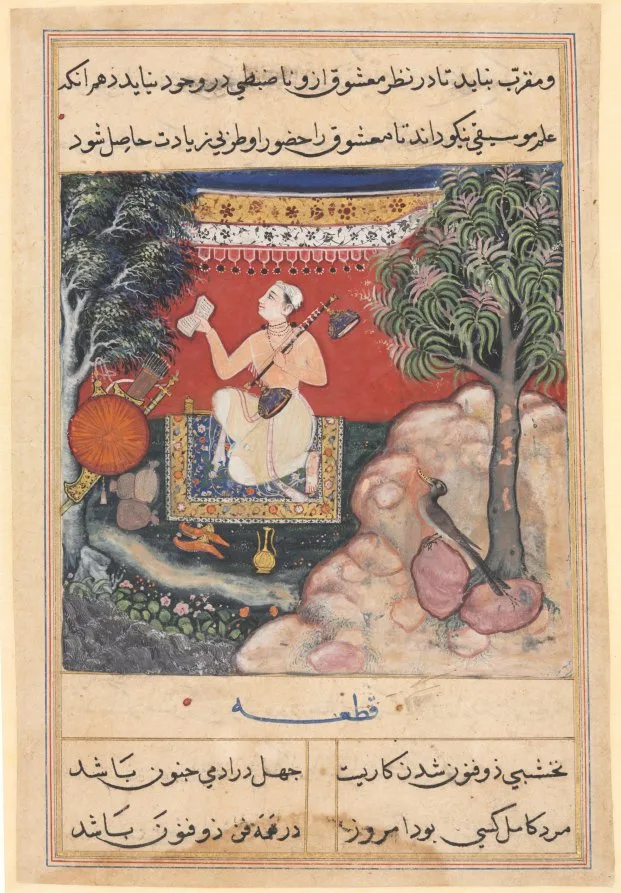
The origin of music from a fabulous bird of India which had seven holes in its beak, from a Tuti-nama (Tales of a Parrot): Fourteenth Night
IllustrationjpgCC0
Commercial OKView →
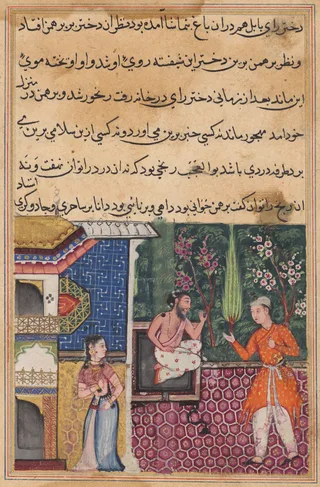
The Brahman gives an account of his falling in love with the king of Babylon’s daughter to his friend, the magician, from a Tuti-nama (Tales of a Parrot): Thirty-fifth Night
IllustrationjpgCC0
Commercial OKView →
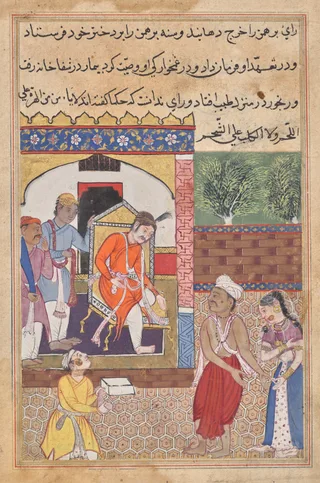
The magician, disguised as a Brahman, visits the king of Babylon, from a Tuti-nama (Tales of a Parrot): Thirty-fifth Night
IllustrationjpgCC0
Commercial OKView →
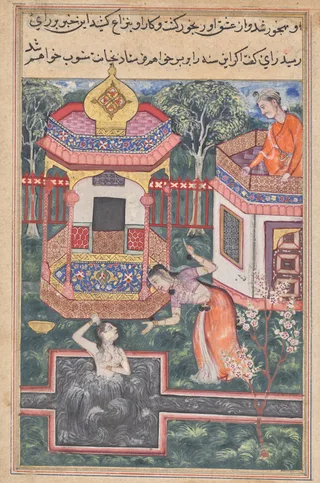
The son of the king of Babylon sees the Brahman transformed into a woman bathing and falls in love with her, from a Tuti-nama (Tales of a Parrot): Thirty-fifth Night
IllustrationjpgCC0
Commercial OKView →
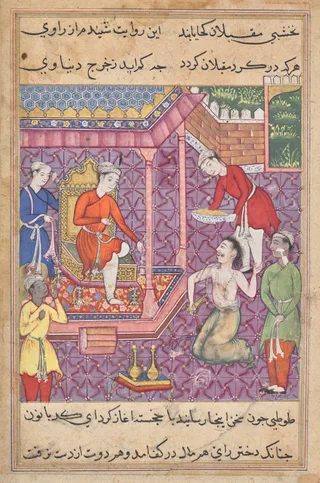
The magician disguised as a Brahman returns to claim his “daughter-in-law,” from a Tuti-nama (Tales of a Parrot): Thirty-fifth Night
IllustrationjpgCC0
Commercial OKView →
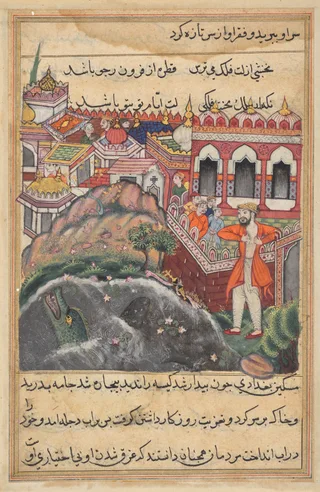
The bag of gold which he received for the slave girl being stolen in a mosque, the young man of Baghdad tears his cloths and is about to fling himself into the Tigris, from a Tuti-nama (Tales of a Parrot): Forty-eighth Night
IllustrationjpgCC0
Commercial OKView →