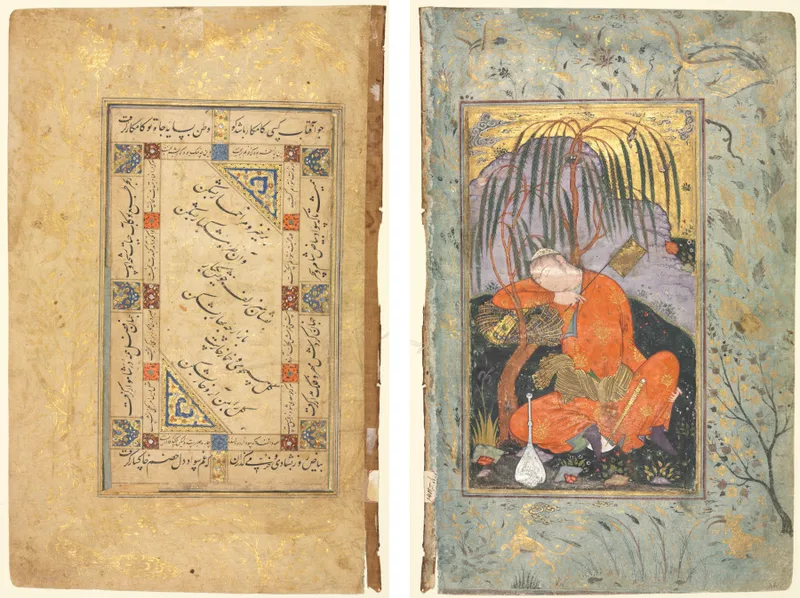
CC0 · Direct download900×673 · 382 KB
Specifications
- Type
- Illustration
- Format
- jpg
- Size
- 382 KB
- Published
- Nov 10, 2026
- Updated
- Nov 10, 2026
- AI
- Human-made
- Tags
CC0IllustrationCommercial use allowed
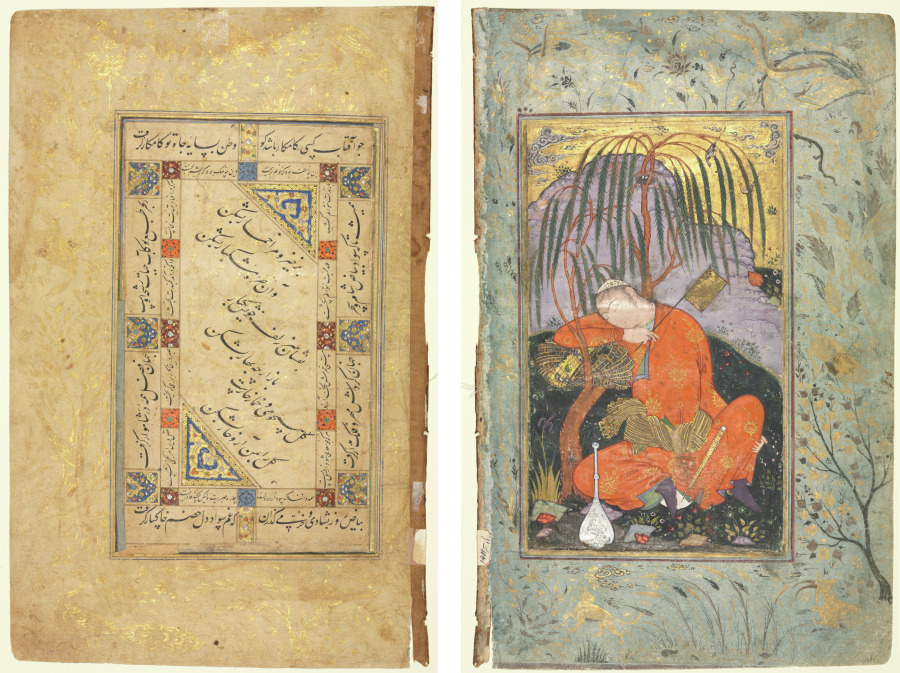
Persian Couplets (recto); Sleeping Youth (verso)
ink, gold, and opaque watercolor on paper · late 1500s–early 1600s · Iran, Isfahan, Safavid period (1501-1722) · Islamic Art
LicenseRead the full license →
Commercial use
✓ Allowed
Attribution
Not required
Modification
✓ Allowed
Share-alike
Not required
The creator waived all copyright. Commercial use, modification and redistribution are allowed with no attribution required.
Credit"Persian Couplets (recto); Sleeping Youth (verso)" by Riza-yi Abbasi, dedicated to the public domain under CC0 1.0 (https://creativecommons.org/publicdomain/zero/1.0/).
Official license text ↗License snapshot
This file is released under CC0. The license text and credit requirements are below.
Related assets
View all →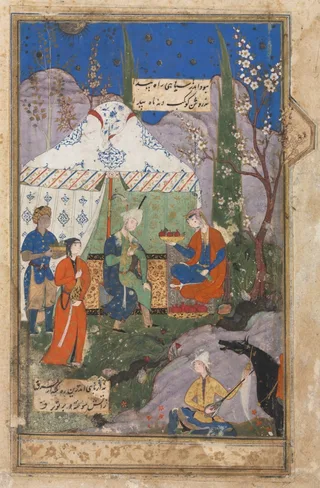
An Episode from the Story of the Sasanian King Khusrau and His Beloved Shirin, from a Khamsa (Quintet) of Nizami (1141–1209) (verso)
IllustrationjpgCC0
Commercial OKView →
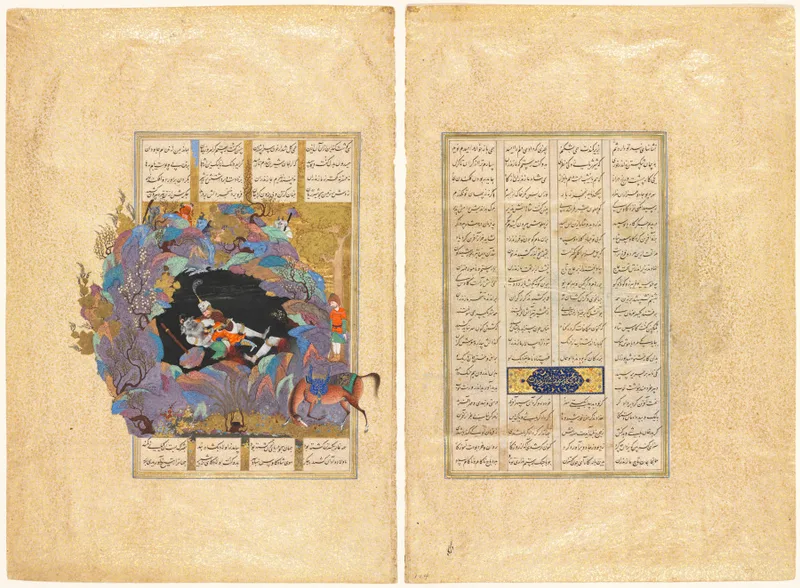
Rustam's seventh course: He kills the White Div, folio 124 from a Shah-nama (Book of Kings) of Firdausi (Persian, about 934–1020)
IllustrationjpgCC0
Commercial OKView →
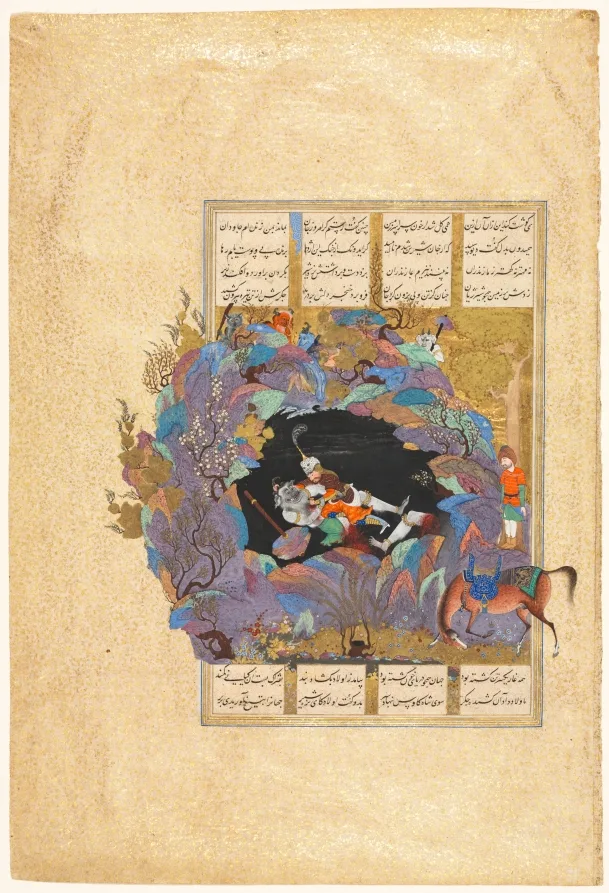
Rustam's seventh course: He kills the White Div, folio 124 from a Shah-nama (Book of Kings) of Firdausi (Persian, about 934–1020)
IllustrationjpgCC0
Commercial OKView →
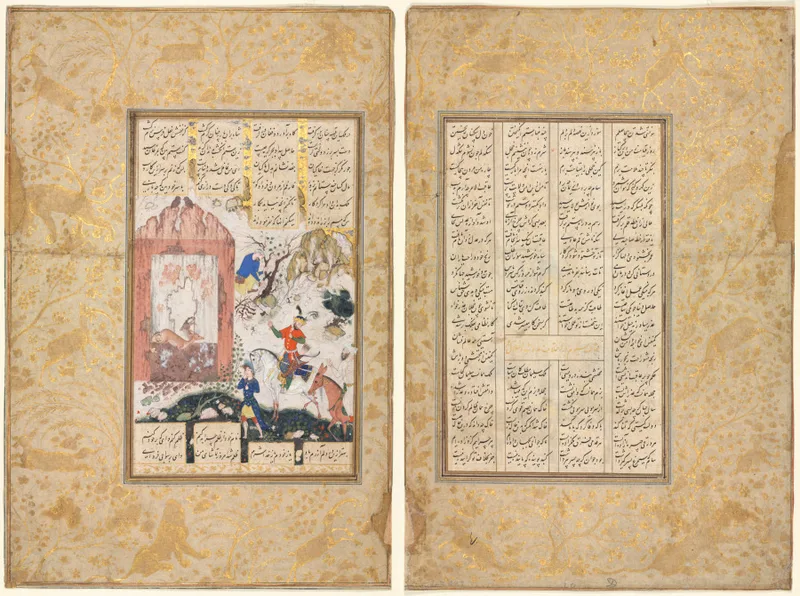
Nushirwan Listens to the Owls (recto); the Story of Nushirwan and his Minister, "The Third Discourse on Diverse Events and Disorder in Life" (verso) from a Khamsa (Quintet) of Nizami (1141–1209)
IllustrationjpgCC0
Commercial OKView →
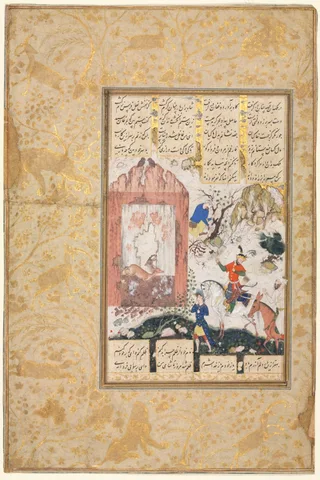
Nushirwan Listens to the Owls (recto): Illustration and Text, Persian Verses, from a Manuscript of the Khamsa of Nizami, Makhzan al-Asrar [Treasure of Secrets]
IllustrationjpgCC0
Commercial OKView →
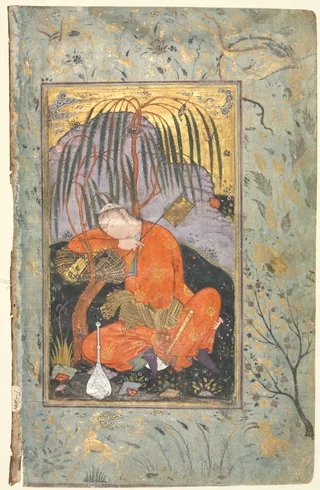
Sleeping Youth (verso), Illustration from a Single Page Manuscript
IllustrationjpgCC0
Commercial OKView →
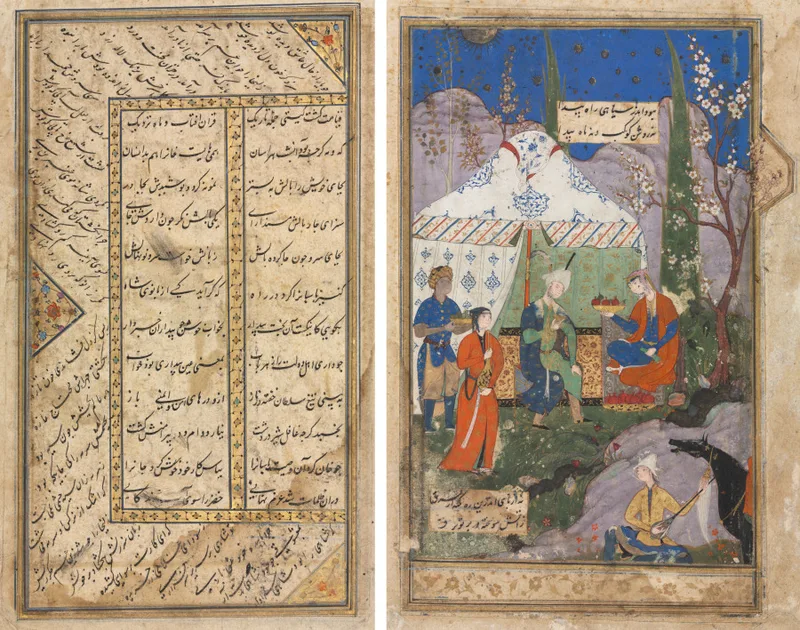
An Episode from the Story of the Sasanian King Khusrau and His Beloved Shirin, from a Khamsa (Quintet) of Nizami (1141–1209) (verso); Persian verses from a Haft Awrang (Seven Thrones) of Jami (d. 1492) (recto)
IllustrationjpgCC0
Commercial OKView →
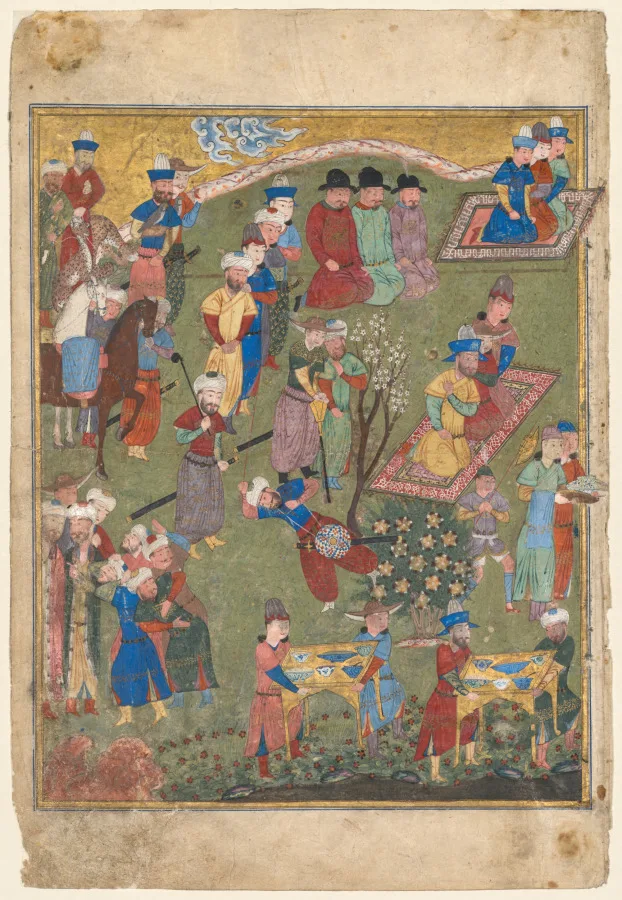
Royal Reception in a Landscape, left folio from the double frontispiece of a Shahnama (Book of Kings) of Firdausi (Persian, about 940–1019 or 1025)
IllustrationjpgCC0
Commercial OKView →