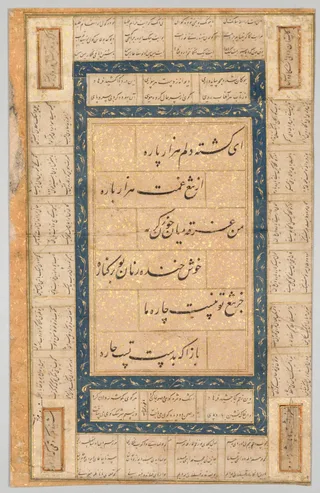
CC0 · Direct download584×900 · 236 KB
Specifications
- Type
- Illustration
- Format
- jpg
- Size
- 236 KB
- Published
- Nov 14, 2026
- Updated
- Nov 14, 2026
- AI
- Human-made
- Tags
CC0IllustrationCommercial use allowed
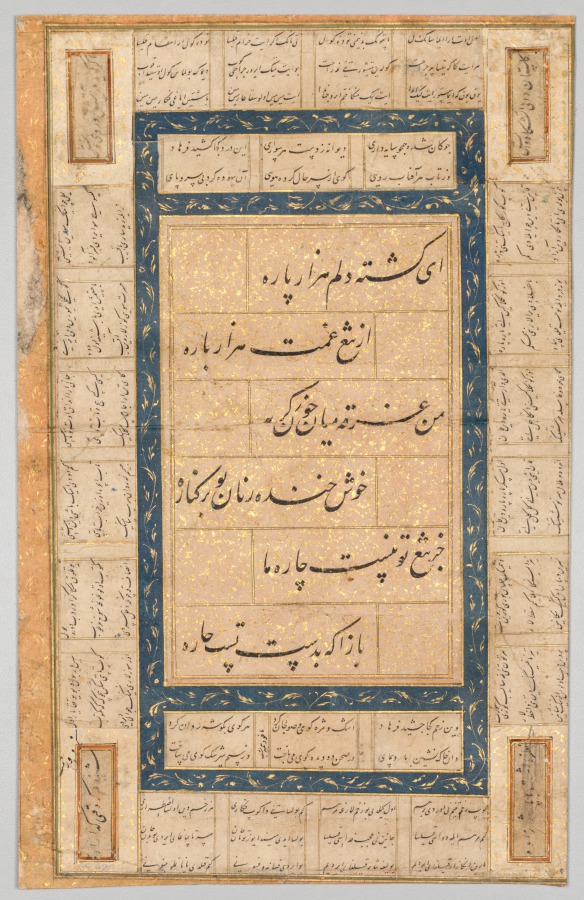
Calligraphy, Persian Verses (verso)
Opaque watercolor, ink, and gold on paper · 1400s · Iran, Timurid period (1370-1501) · Islamic Art
LicenseRead the full license →
Commercial use
✓ Allowed
Attribution
Not required
Modification
✓ Allowed
Share-alike
Not required
The creator waived all copyright. Commercial use, modification and redistribution are allowed with no attribution required.
Credit"Calligraphy, Persian Verses (verso)" by Unknown creator, dedicated to the public domain under CC0 1.0 (https://creativecommons.org/publicdomain/zero/1.0/).
Official license text ↗License snapshot
This file is released under CC0. The license text and credit requirements are below.
Related assets
View all →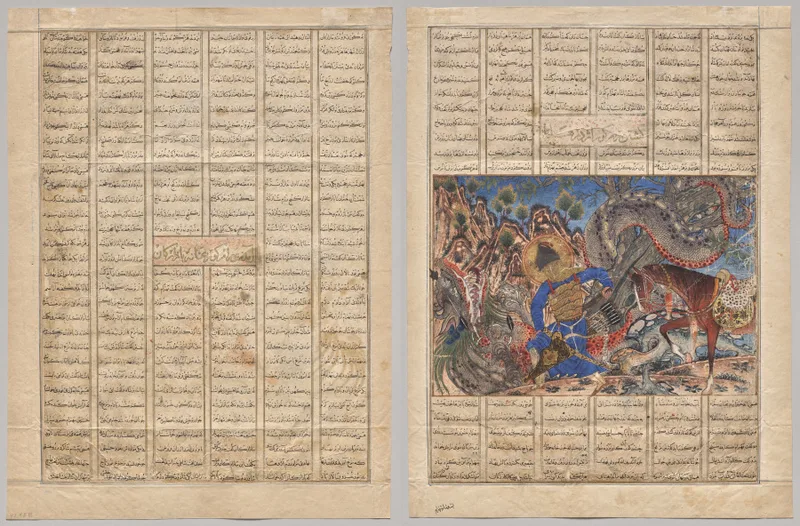
Bahram Gur Arrives at the House of a Merchant, text page (recto); Bahram Gur Slays a Dragon (verso), from a Shahnama (Book of Kings) of Firdausi (940–1019 or 1025), known as the Great Mongol Shahnama
IllustrationjpgCC0
Commercial OKView →
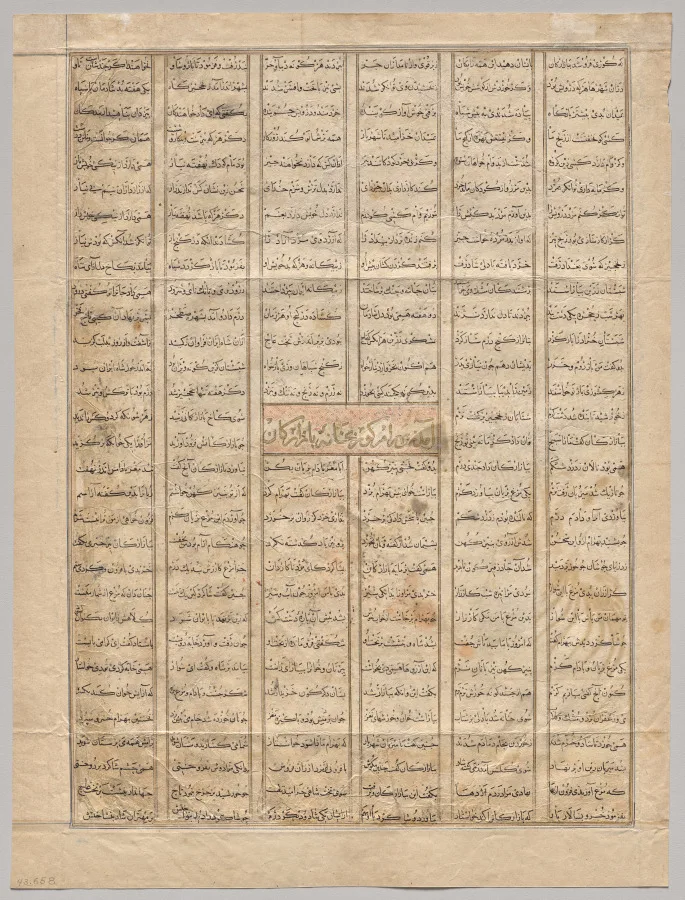
Bahram Gur Arrives at the House of a Merchant, text page (recto), from a Shahnama (Book of Kings) of Firdausi (940–1019 or 1025), known as the Great Mongol Shahnama
IllustrationjpgCC0
Commercial OKView →
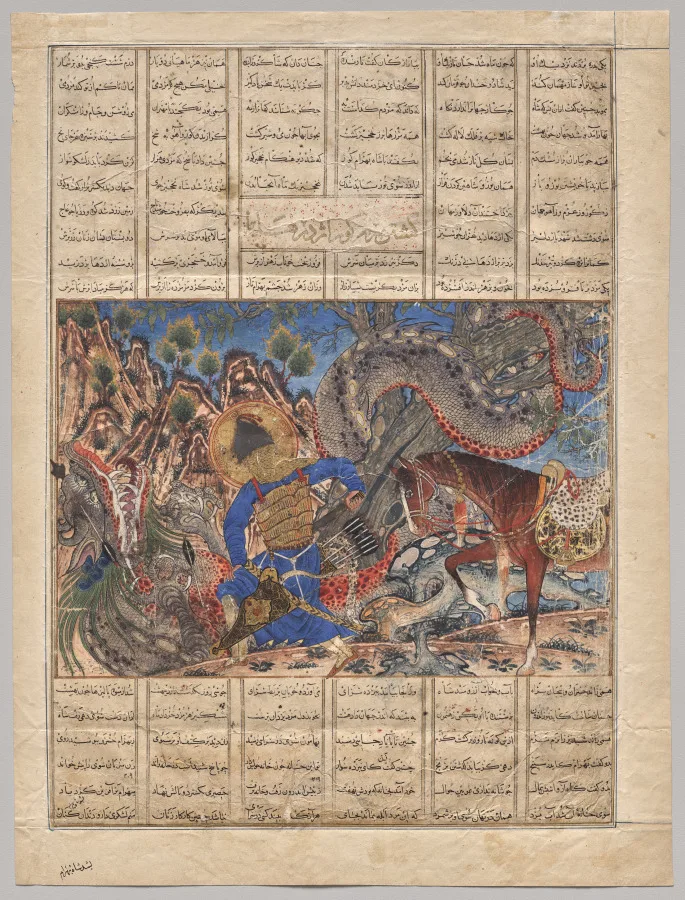
Bahram Gur Slays a Dragon (verso), from a Shahnama (Book of Kings) of Firdausi (940–1019 or 1025), known as the Great Mongol Shahnama
IllustrationjpgCC0
Commercial OKView →
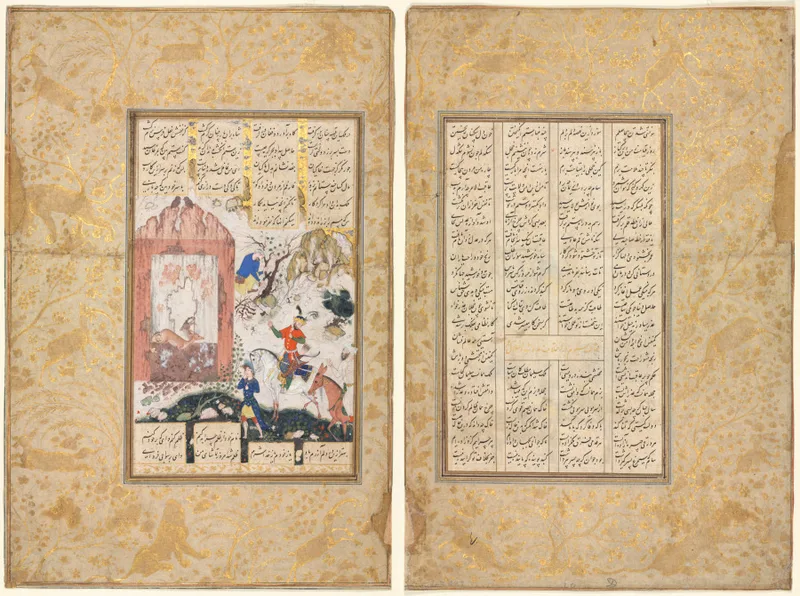
Nushirwan Listens to the Owls (recto); the Story of Nushirwan and his Minister, "The Third Discourse on Diverse Events and Disorder in Life" (verso) from a Khamsa (Quintet) of Nizami (1141–1209)
IllustrationjpgCC0
Commercial OKView →
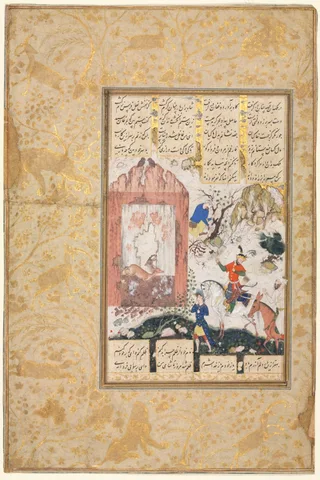
Nushirwan Listens to the Owls (recto): Illustration and Text, Persian Verses, from a Manuscript of the Khamsa of Nizami, Makhzan al-Asrar [Treasure of Secrets]
IllustrationjpgCC0
Commercial OKView →
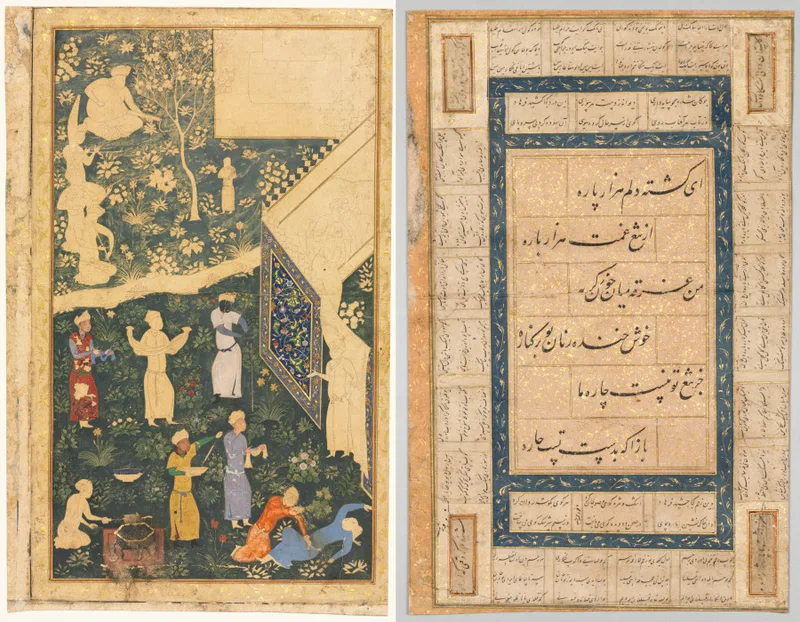
Left side of a double-page album folio: Outside a Royal Encampment (recto) and Calligraphy, Persian Verses (verso)
IllustrationjpgCC0
Commercial OKView →
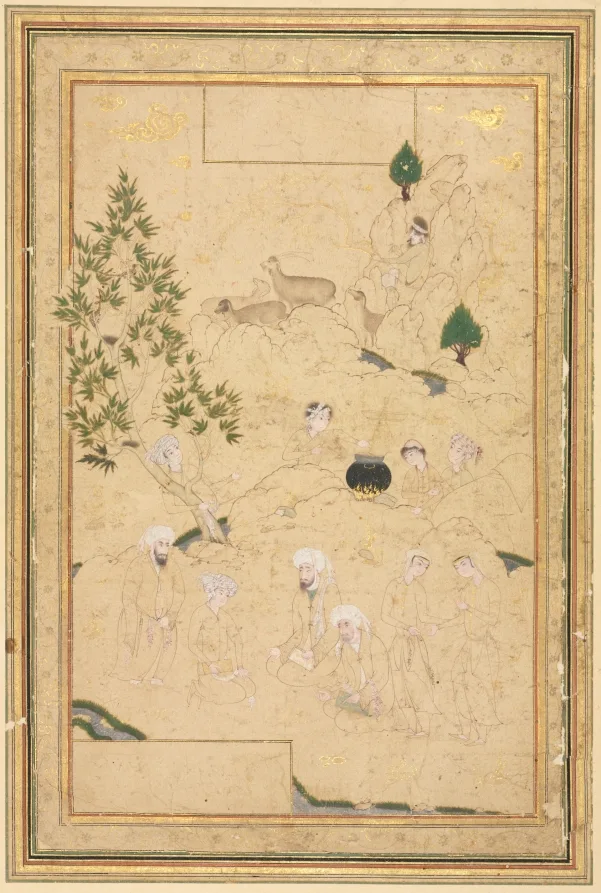
Picnic in the Mountains; Single Page Illustration
IllustrationjpgCC0
Commercial OKView →
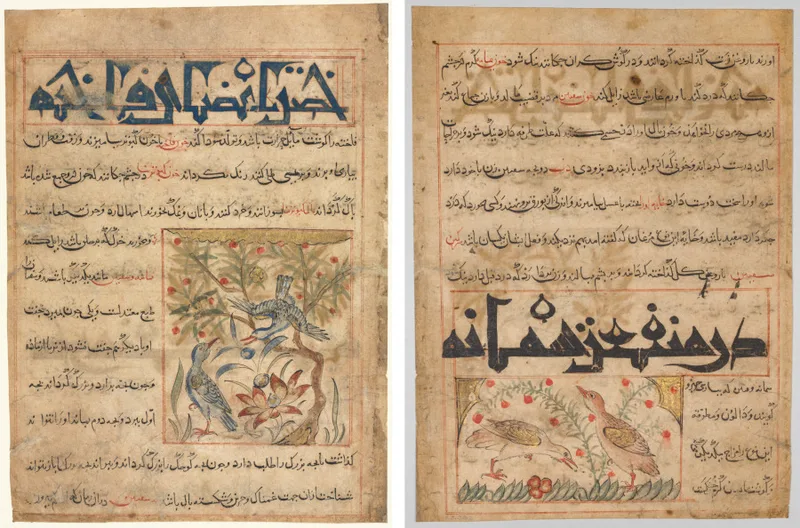
Qualities of Ringdoves (recto); On the Benefits of Quails (verso), from a Persian Manafi‘ al-Hayawan (The Benefits of Animals) of Abu Said Ubaid-Allah ibn Jibrail ibn Bakhtishu (died 1058–68)
IllustrationjpgCC0
Commercial OKView →